Zyqor Studio

Case study 01Kilnfold

Concept project

Case study 01 · Concept project · Fictional brand, no client

Kilnfold

A storefront for a two-person stoneware studio that sells every kiln load in an afternoon, and until now sold it all through Instagram DMs.
Role
Identity, web design, front-end
Scope
Logotype, palette, type, design system, 9 templates, the drop flow
Timeline
5 weeks, planned. Not delivered: concept
Tools
Figma, HTML/CSS, GSAP, Lenis
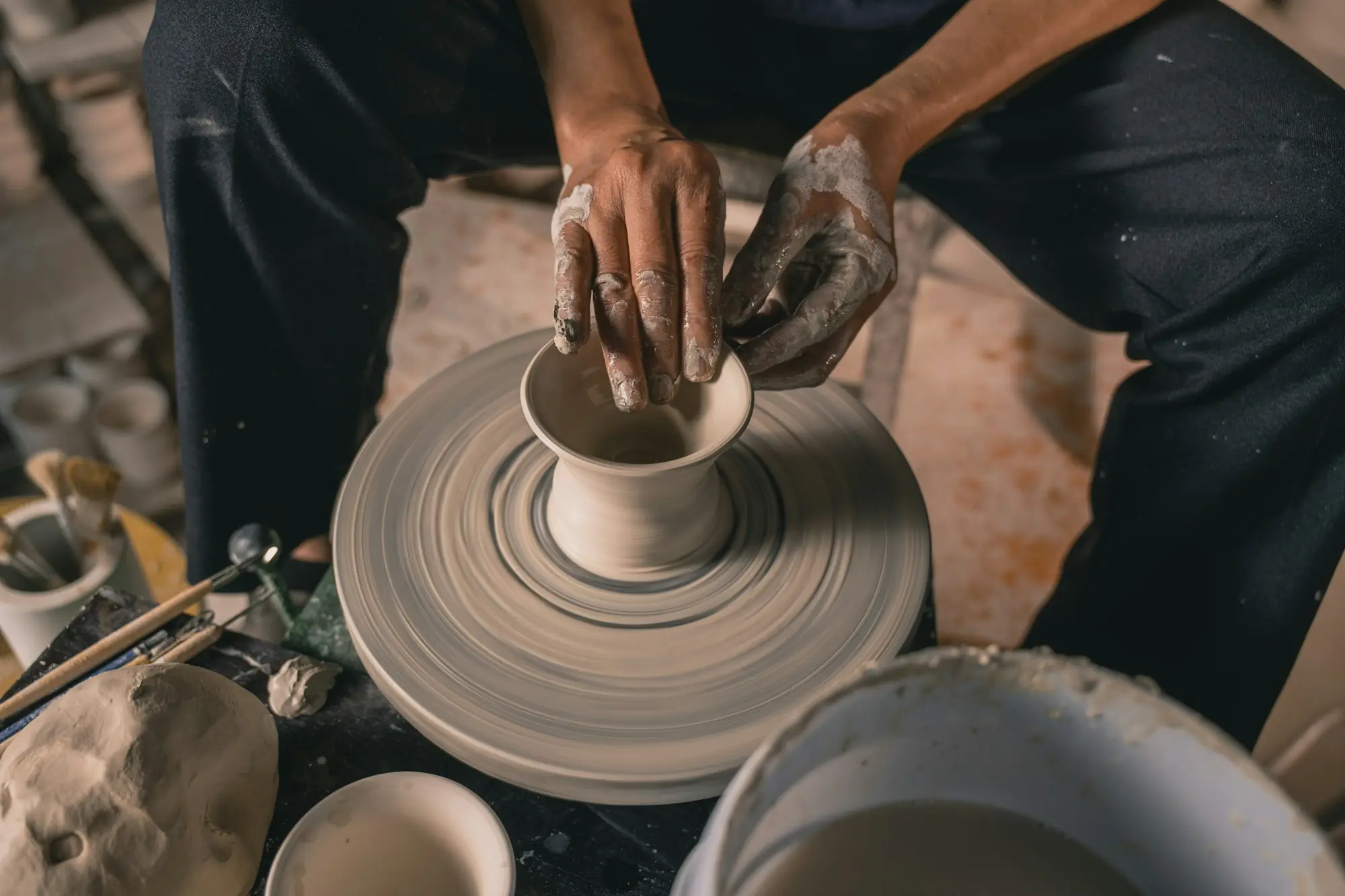
Hands shaping a stoneware bowl on a turning pottery wheel
Photo: Tuan Nguyen / Unsplash. Placeholder for the studio's own shoot.
01

The brief

What the studio needed, in one breath.

Kilnfold fires forty pieces at a time. Each firing sells out in hours, mostly to whoever messages first, and everyone else finds out from a “sold” comment. The site has to make a sell-out feel fair, and make the wait for the next kiln part of the product.

Problem

Sales run through DMs. No stock count, no queue, and a lot of “is this still available?”

Constraint

Two potters, no developer. Every page has to update from one sheet of firing data.

The bet

Sell by firing, not by category: one dated drop, a visible count, and a waitlist that rolls into the next kiln.

01 → 02

Research & moodboard

Two weeks of looking before any pixels. What we kept, and why.
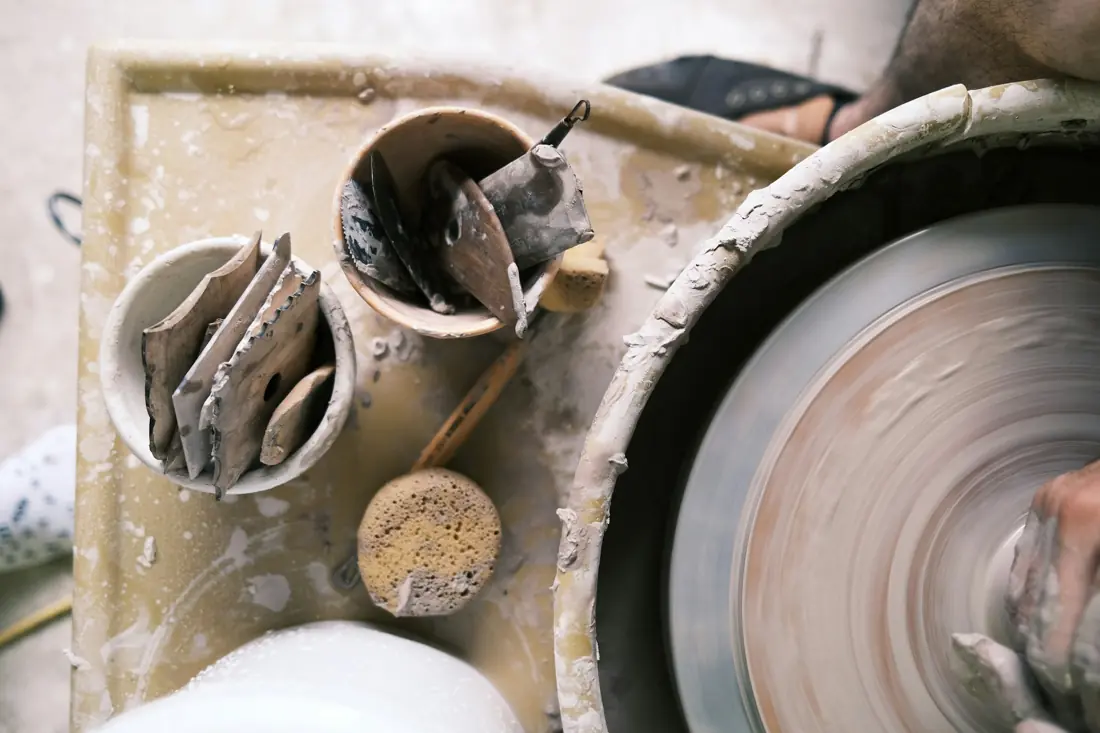
A person shaping clay on a spinning pottery wheel with tools in nearby bowls
01ThrowingThe only moment the clay moves fast. That speed is saved for page transitions and nothing else.
A pile of white dishes sitting on top of a table
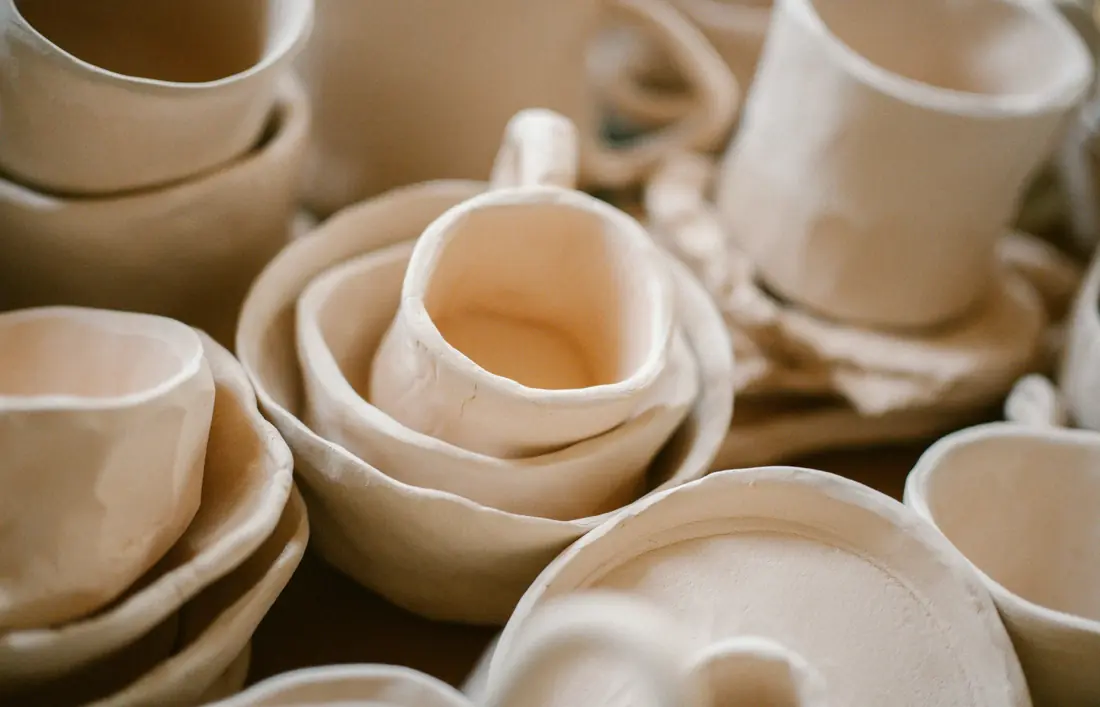
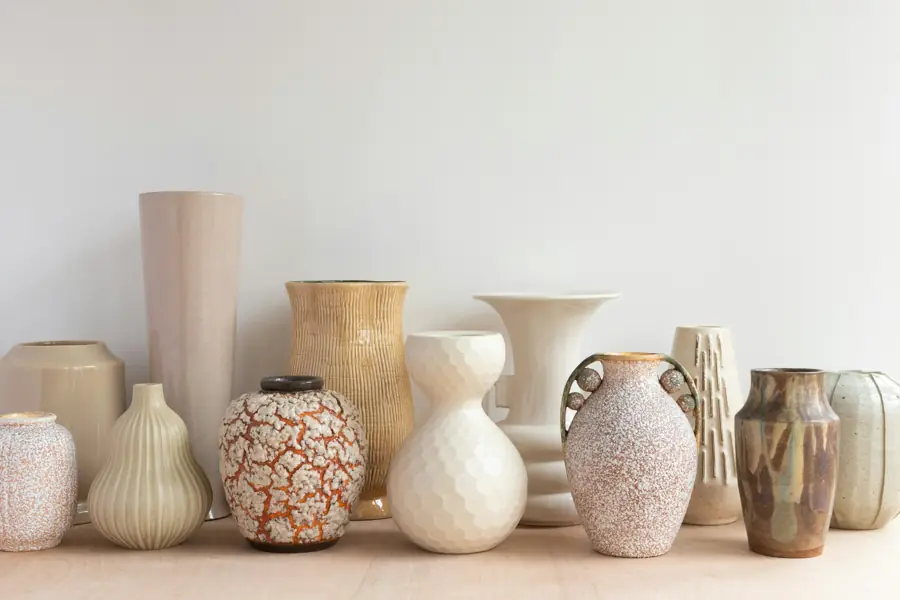
02Bisque, 950 °CUnglazed, chalky, warm. The background colour is sampled straight off these stacks.
White ceramic teacup on brown wooden shelf
03Shelf lightEach object gets air on both sides. The product grid copies the gaps between shelf pieces.
Bowls of colorful glazes and pigments on a table
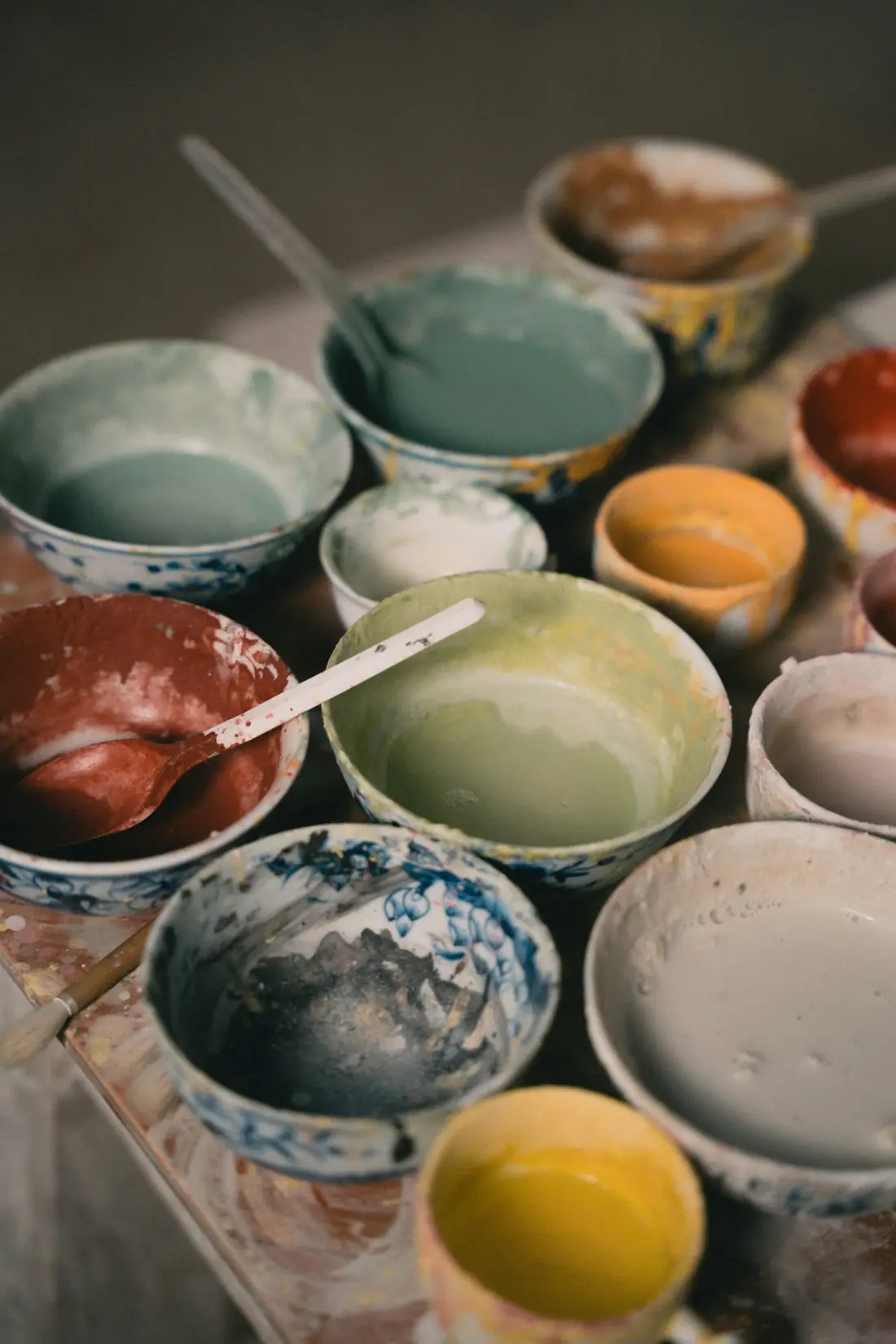
04Glaze testsThe studio is full of colour, so the brand holds itself to three and lets the pots do the rest.
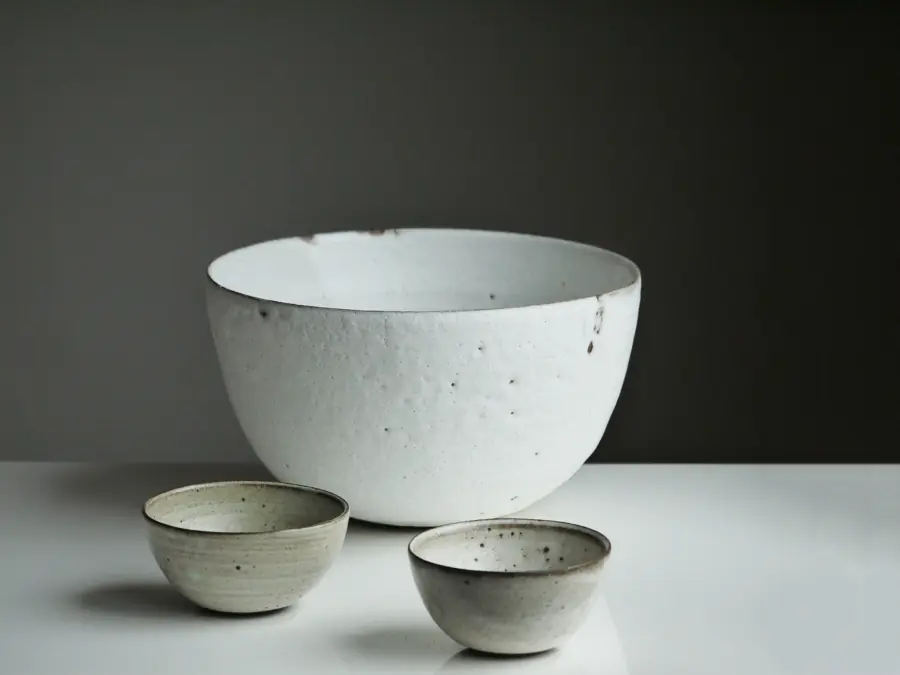
Two white ceramic bowls
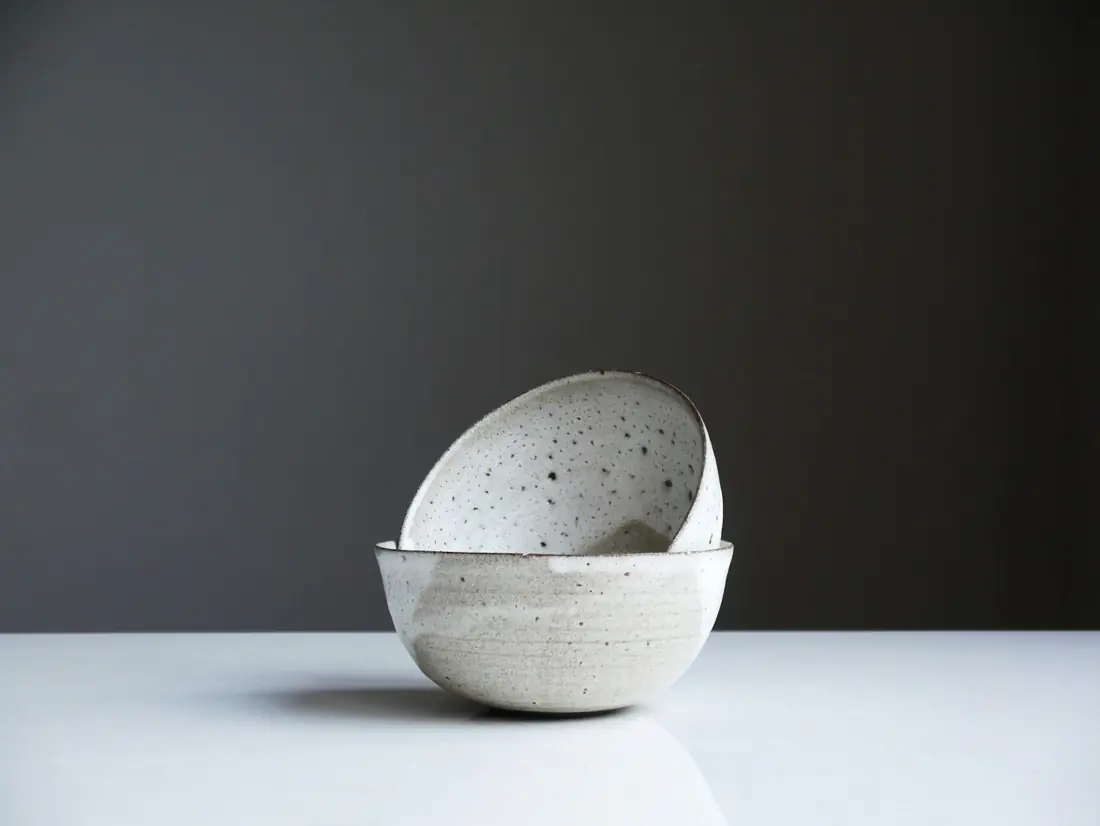
05One surfaceEvery piece is shot on the same slab with its own shadow. No cut-outs on white.
Filed stoneware jugs
06Numbered, by handPotters label by batch. The site does too: you buy from Firing 07, not from a category.
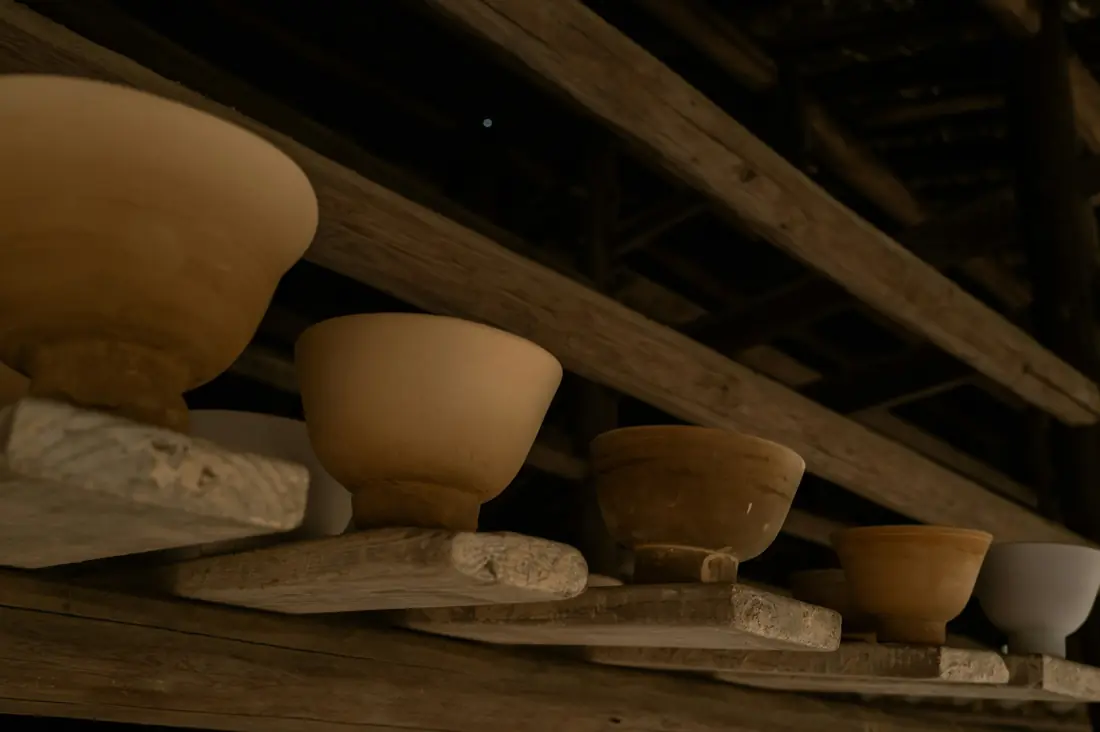
Several ceramic bowls displayed on wooden shelves
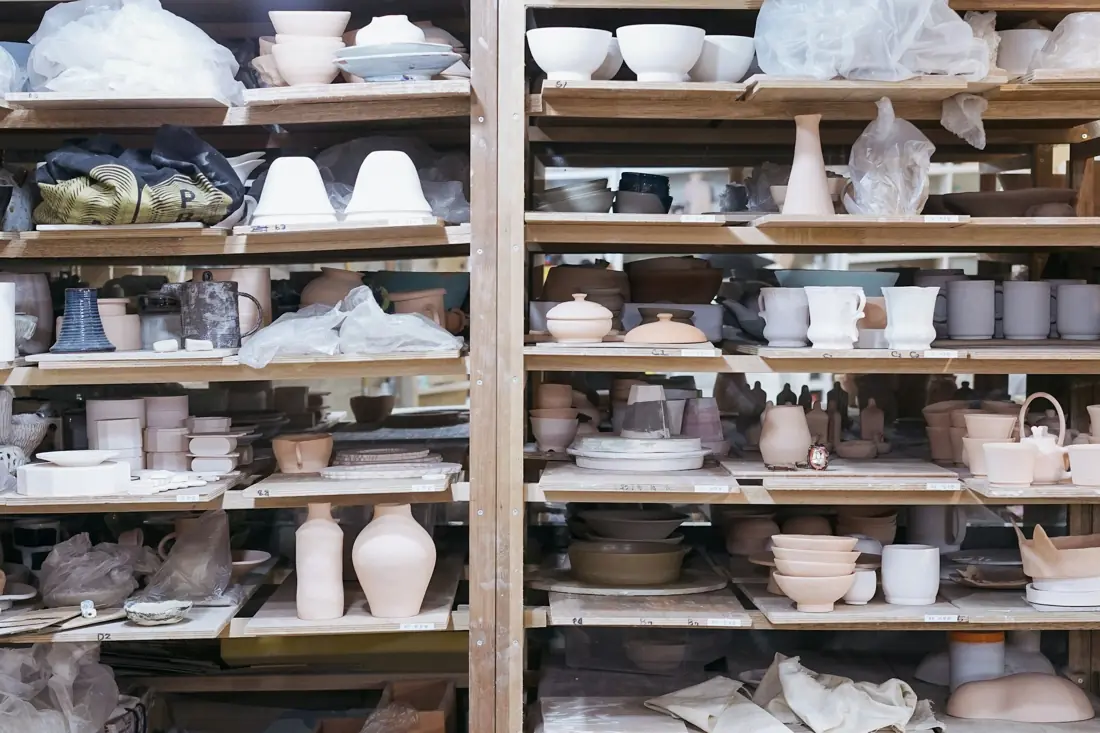
07Drying racksA grid with gaps you can see. The 12-column grid leaves its gutters wide on purpose.
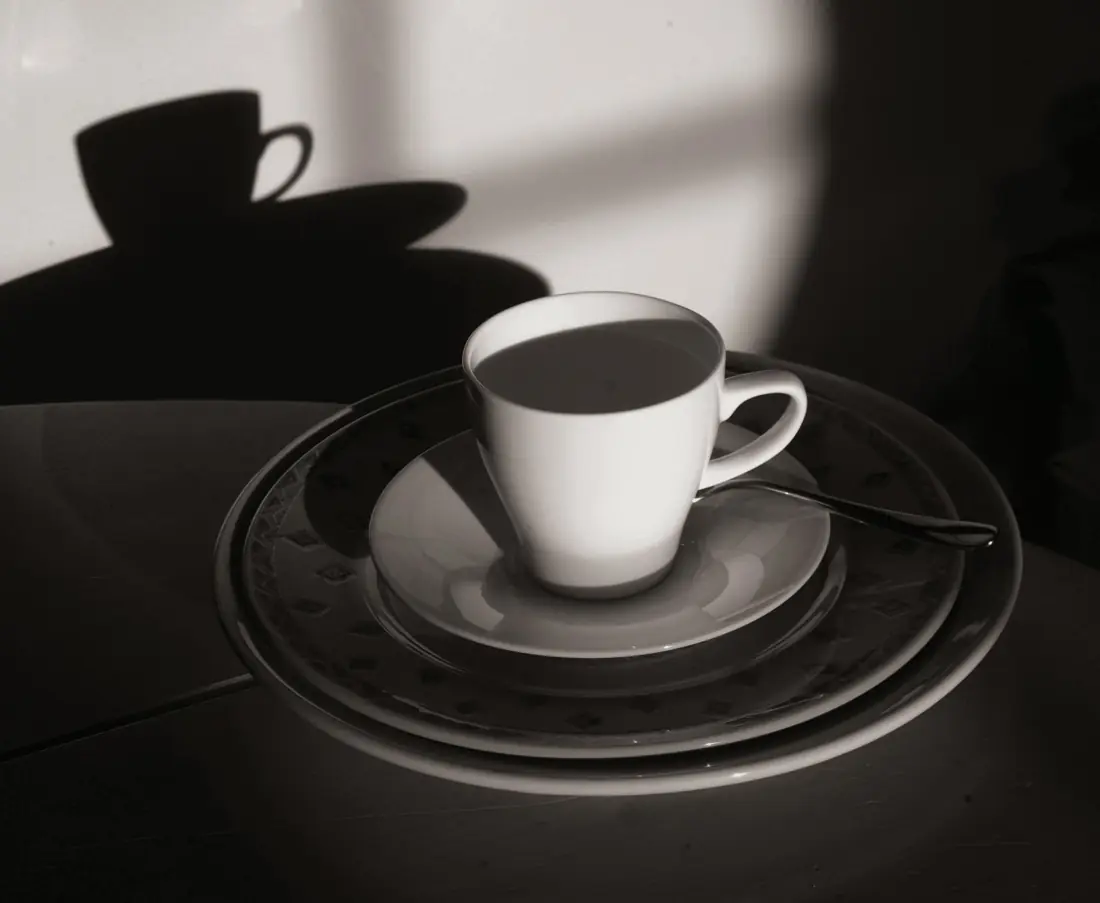
Grayscale photography of mug with spoon on top of saucer and plate
08Noon shadowHard light, hard edges. Hence a high-contrast serif for headlines, not a soft rounded sans.
  1. P1

    Sell by firing. A dated batch is the unit of everything: the URL, the email, the count.

  2. P2

    Count, don’t hype. Numbers replace urgency copy. “3 of 40 left” says enough.

  3. P3

    One surface, one shadow. Photos share a slab and a light, so forty pieces read as one family.

03

Identity

A logotype, three colours and two typefaces. Nothing else.

Primary, on Bisque
Reversed, on Iron

The o is a bowl. A half-disc on the baseline, a rim line at the x-height, one glaze band. It works alone as the stamp on the foot of every piece.

60% · ground
Bisque

Sampled from unglazed bisque. Every background.

RGB 238,230,217
30% · type
Iron

An iron-oxide wash. Text and lines; never pure black.

RGB 51,37,30
10% · action
Kiln

The cone 10 flame. One action per screen, no more.

RGB 169,73,31
603010

Contrast: Iron on Bisque 11.9 : 1 (AAA) · Kiln on Bisque 4.6 : 1 (AA) · Bisque on Kiln for buttons 4.6 : 1 (AA)

Display · Zodiak, 100–900

Aa

Forty pieces. One kiln. No restocks.

Text · General Sans, 200–700

Aa

Cone 10 stoneware, thrown and trimmed by hand in small batches of forty.

  • Display 96/0.95Firing 07
  • H2 48/1.05Opens Saturday
  • Body 18/1.5Held for you for ten minutes.
  • Label 12/1.2 caps3 OF 40 LEFT
04

Design system

Live components, not pictures of them. Hover, tab and press them.

Buttons
Firing badge Firing 0714 Nov · 40 pieces Firing 06Sold out in 3 h 12 min
Stock count

12of 40 left

Piece card
White stoneware bowl on a pale surface

Wide bowlAsh glaze · 18 cm

4 of 6 left
Waitlist field

Grid · 12 col, 24 gutter
  • 4
  • 8
  • 12
  • 16
  • 24
  • 40
  • 64
Icons · 1.5 px line
05

Key screens

Built as real HTML, then framed. Scroll and the page inside the browser scrolls with you.
kilnfold.example / firing-07
A Piece page: the count sits beside the button, not in a banner.
B Checkout, step 2 of 3. PIN code fills the address.
C Sold out is a place in a queue, not a dead end.
06

Motion

The signature interaction: the countdown is the kiln. Drag it.

Wet clay being thrown on the wheel
Stacks of unglazed bisque-fired dishes
A finished glazed stoneware bowl

20°C

Greenware

  1. 20 °C
    Greenware
  2. 950 °C
    Bisque
  3. 1280 °C
    Glaze, cone 10

On the live site this is the drop announcement: as the firing date gets closer the photo moves from wet clay to bisque to finished glaze, and the number is the kiln, not a sales timer.

07

Concept: what we would measure

Kilnfold is not real and nothing launched, so there are no results on this page.

These are the numbers we would agree with the studio before launch, each tied to a design decision made to move it. Targets, not outcomes.

GoalDesign decisionWhat we would measure
01Checkout stepsSix screens become three: pieces, details, pay. Address fills from the PIN code; guest checkout by default.Drop-to-paid time per order; drop-off at each step.
02“Is this still available?”A live count on every piece. Sold pieces leave the grid within a second instead of staying up with a grey badge.Direct messages per firing, compared with the DM-only firings before launch.
03Missed buyersOne tap moves you from a sold-out Firing 07 to the front of Firing 08, with a reminder the day before.Share of the waitlist that buys in the next firing.
04Phone weightA 1.5 MB budget on phones; photos in WebP at two sizes; the countdown is HTML, not video.Largest Contentful Paint on a mid-range Android over 4G.
05AccessAll three colours pass WCAG AA in their roles; the whole checkout works from a keyboard.An automated audit plus one screen-reader pass before each firing opens.

Next project

EmberA coffee roaster, concept 03 in the Lab